An 8-Day, Childfree European Escape: Amsterdam, Brussels & Paris
This trip was not on our radar. We booked it because we happened to find a flight deal—one of those “too good to pass up” fares that nudges you into destinations that weren’t exactly at the top of your travel wish list. Amsterdam and Brussels, especially, felt more like someday cities than must-go-now destinations. As it turns out, they completely surprised us and ended up being the heart of the trip. Eight days, three countries, centuries of history, and an unreasonable amount of carbs—here’s how it all unfolded.
Table of Contents Show
Days 1–3: Amsterdam — Canals, Resistance History & Neighborhood Wandering
Day 1: Arrival & Canal Views
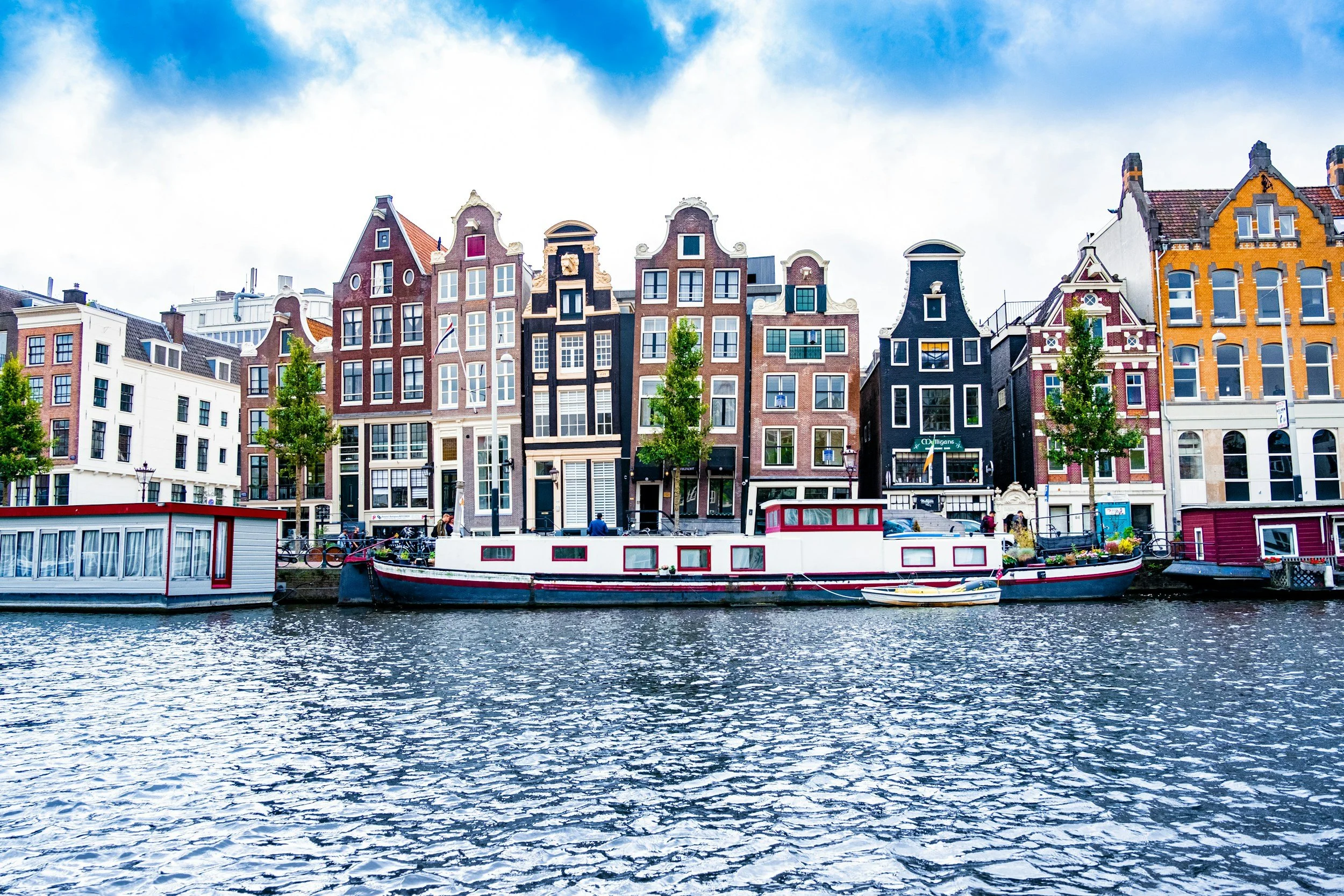
We arrived in Amsterdam, checked into our hotel in De Pijp, and immediately felt like we’d chosen the right neighborhood. Lively but not chaotic, local without being sleepy—it was the perfect home base.
After a quick lunch nearby, we eased into sightseeing with a canal cruise through the city’s 17th-century canal ring, a UNESCO World Heritage Site built during the Dutch Golden Age. Seeing the narrow merchant houses and arched bridges from the water was an ideal, low-energy introduction after a long travel day. We chose an hour-long tour with the Blue Boat Company and it was perfect.
We wrapped up the day with dinner in De Pijp and managed to stay awake just long enough to reset our clocks.
Day 2: Anne Frank House, Jordaan & Market Food
We started our day with pastries from Bbrood (because when in Europe, right?) and then headed to the Anne Frank House. Walking through the secret annex where Anne and her family hid during the Nazi occupation is as powerful as everyone says—quiet, emotional, and deeply human. The preserved rooms and original diary excerpts make the history feel uncomfortably close. Make sure to book your tickets in advance if you plan to visit.
We spent the afternoon wandering Jordaan, once a working-class neighborhood and now one of the city’s most charming areas, then made our way through De 9 Straatjes for relaxed shopping and people-watching. We grabbed a stroopwafel at Hans Egstorf, Amsterdam’s oldest bakery (opened in 1898) and it did not disappoint.
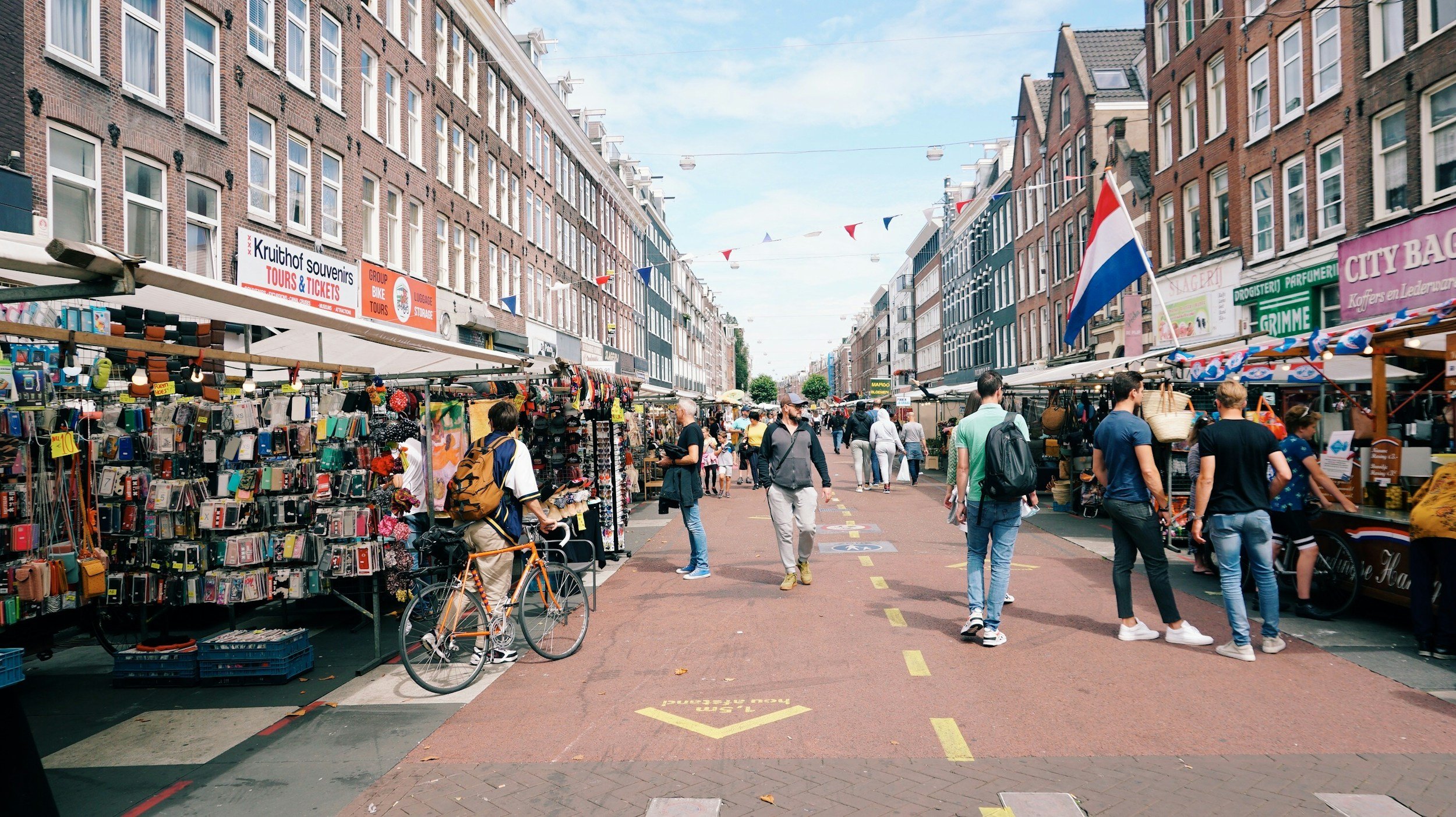
Lunch was an Albert Cuyp Market spread: frites with satay sauce and mayo, plus poffertjes (Dutch pancakes). The market has been operating since the early 1900s and still feels like everyday Amsterdam rather than a tourist attraction.
As night fell, we walked through the Red Light District, one of the city’s oldest neighborhoods, before ending the day with Indonesian food at Dèsa—a reminder of the Netherlands’ colonial ties to Indonesia.
Day 3: Holocaust History & a Slower Pace
We started with (more) pastries and a matcha latte from Rise Bakery before visiting the Hollandsche Schouwburg (Dutch Theater) and the Holocaust Museum. The Hollandsche Schouwburg, once a theater turned deportation center during WWII, is now a memorial space that’s quietly devastating. Paired with the museum, it added essential historical depth to our time in Amsterdam.
Lunch brought us back to Albert Cuyp Market for oliebollen (Dutch doughnuts) from Oliebollenkraam Marie Heinekenplein. Then we leaned fully into one of the perks of traveling without kids: going back to the hotel to rest. The jet lag had caught up with us and we desperately needed a nap.
Dinner was casual and perfect—Turkish gözleme (flatbread) and a warm stroopwafel from Rudi’s.
Days 4–8: Brussels, Paris & Belgian Towns by Train
Day 4: First Look at Brussels
We took the Eurostar to Brussels—fast, easy, and absolutely worth booking in advance. After checking into our hotel in Saint-Josse-ten-Noode (conveniently close to the city center and Brussels North Station), we grabbed Liege waffles from Galet. Dense, caramelized, and unapologetically indulgent.
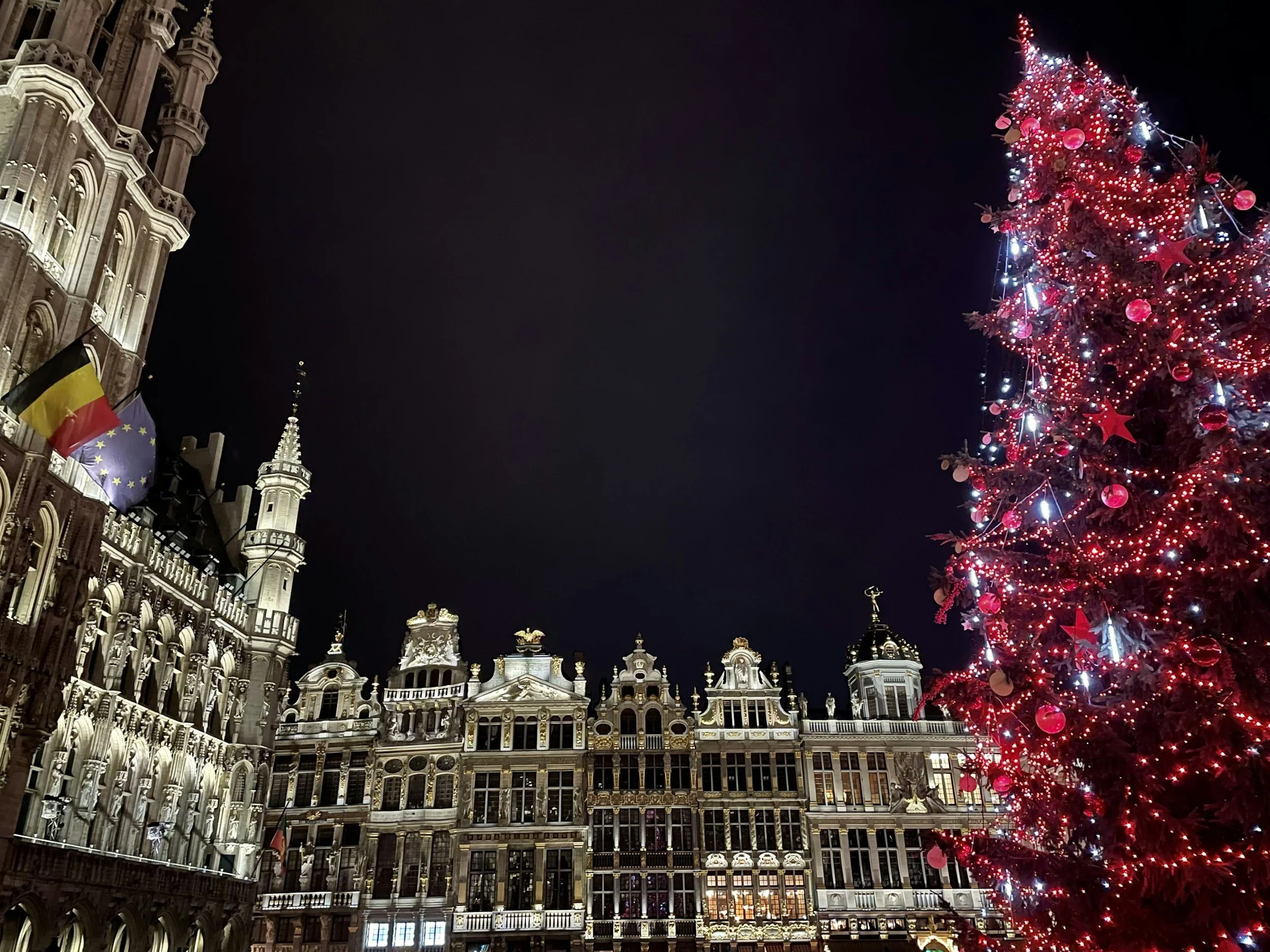
Grand Place was the highlight of the afternoon. Surrounded by ornate guild halls and Brussels City Hall, the square has been the city’s centerpiece since the Middle Ages and is now a UNESCO World Heritage Site. We wandered Rue Neuve, spotted Manneken Pis, browsed more chocolate shops than necessary, and ended the day with takeout kebab wraps.
Day 5: Antwerp Day Trip
After breakfast, we hopped on a local train to Antwerp, and Antwerp Central Station alone was worth the journey. Often called one of the most beautiful train stations in the world, the early-20th-century building feels more like a cathedral than a transit hub, with its soaring dome, stonework, and grand staircases.
We made our way through the city to the Cathedral of Our Lady, which dominates Antwerp’s skyline and houses several works by Rubens, a reminder of the city’s importance during the Renaissance as a major port and artistic center. Nearby Grote Markt was lively and festive, framed by ornate guild houses that reflect Antwerp’s wealth during its Golden Age.
We also visited Het Steen, the city’s oldest building, originally constructed in the early Middle Ages as part of Antwerp’s fortifications along the Scheldt River. Its position overlooking the water makes it easy to imagine Antwerp’s strategic importance as a trading city centuries ago.
Back in Brussels later that evening, we walked through Galeries Royales Saint-Hubert, one of Europe’s oldest covered shopping arcades, then climbed Mont des Arts for city views. We passed the Royal Palace before grabbing dinner at Cup Pasta, an unexpectedly excellent Belgian fast-casual pasta chain.
Day 6: Paris — Gothic Masterpieces & Christmas Markets
We took an early Eurostar to Paris to start our marathon day. The day was busy but unforgettable: Sainte-Chapelle’s stained glass glowing from floor to ceiling, Notre Dame’s exterior, Christmas markets, the Latin Quarter, and the flower market along the Seine.
A Seine boat tour offered a crash course in Parisian history, from medieval bridges to grand 19th-century façades without exhausting our feet. Lunch at Crêperie Parisienne hit the spot before a walk through the Louvre courtyard, once a royal palace long before it became the world’s most famous museum.
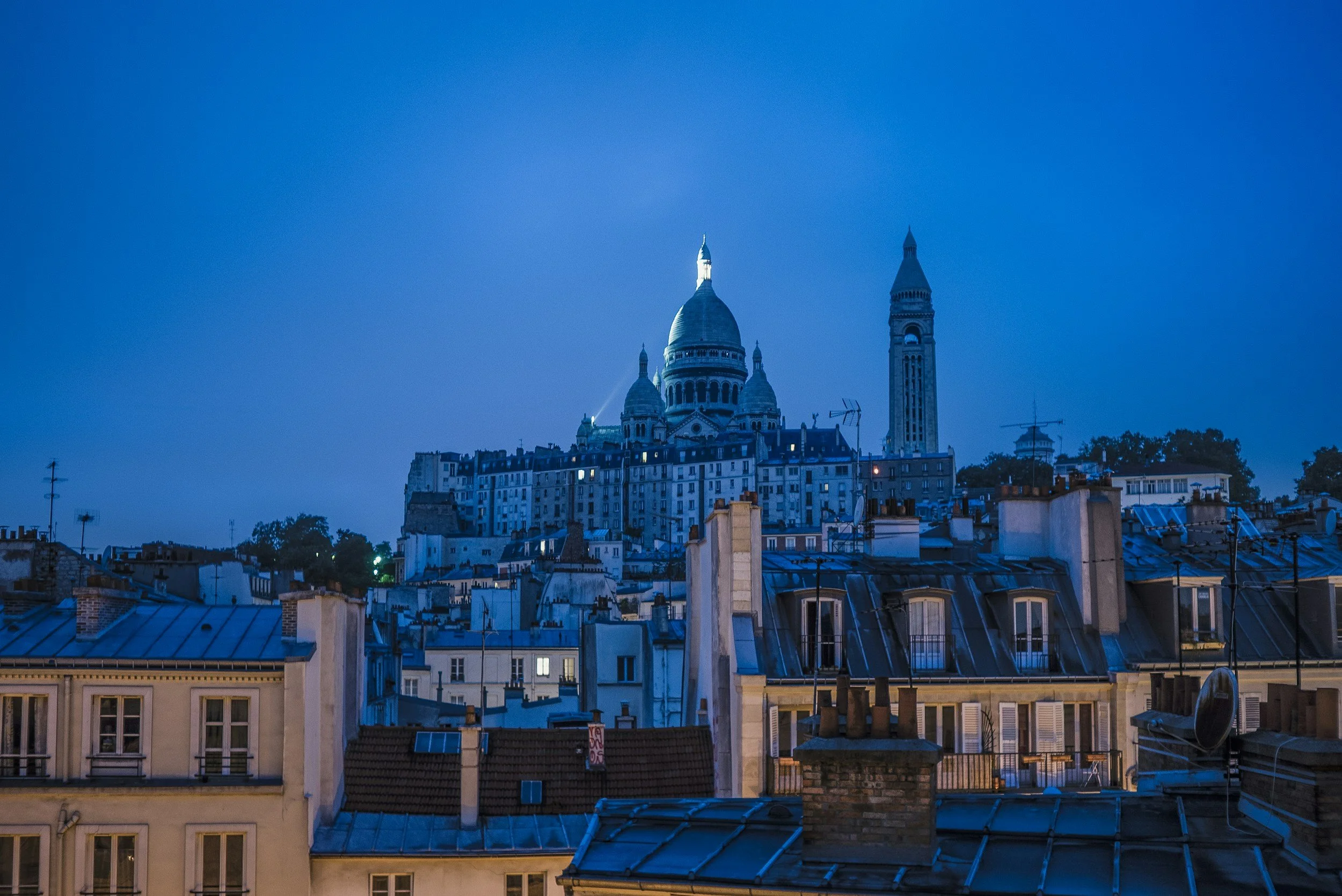
We ended our day with Christmas markets and an evening climb through Montmartre to Sacré-Cœur perched above the city like a postcard. A late train delivered us back to Brussels, tired and happy.
Day 7: Ghent — Medieval Belgium
Ghent felt like stepping into a fairy tale. We explored Gravensteen Castle, a 12th-century fortress right in the city center, and St. Bavo’s Cathedral, home to the Ghent Altarpiece. Lunch was frites with rendang sauce (another nod to Indonesian cuisine) and a Brussels-style waffle (not to be confused with the denser Liege style waffle).
We walked along Korenlei, one of the most scenic canals in Belgium, browsed local shops, and soaked in the slower pace before heading back to Brussels. The night ended at the Christmas markets—lights, mulled wine, and no schedule to keep.
Day 8: Bruges & Farewell
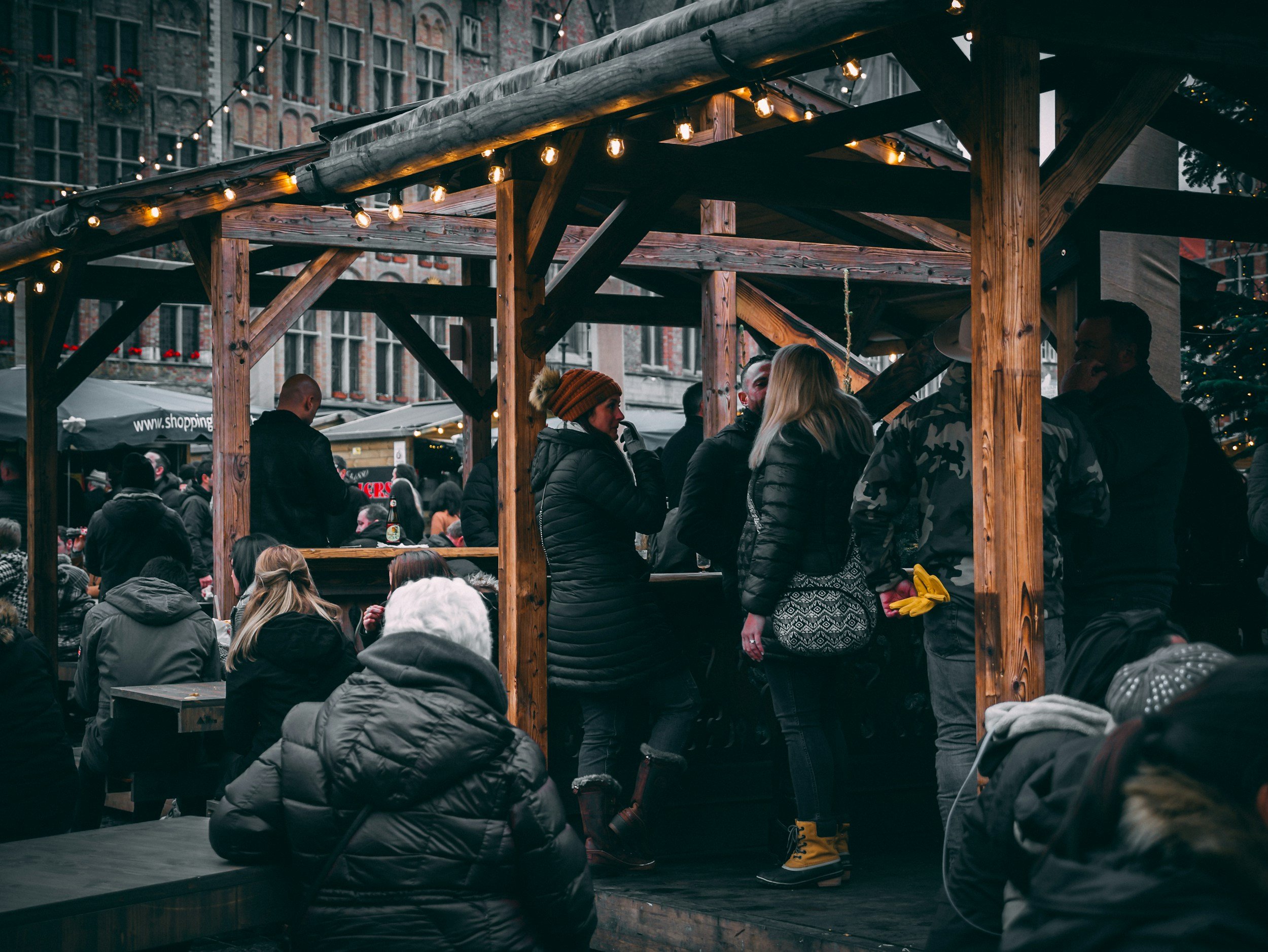
Our final day took us to Bruges. Markt Square was in full Christmas mode, and we embraced it with crepes, vin chaud, and tartiflette (possibly the most delicious potato and cheese dish we have ever eaten). We wandered near the Belfry, explored an absolutely stunning Christmas shop, and admired the preserved medieval streets that make Bruges feel frozen in time.
Back in Brussels, we grabbed takeout kebabs one last time and packed for home—full, tired, and grateful.
Trains, Hotels & Getting Around
We used Eurostar between major cities and local trains for day trips within Belgium. Packing light and booking in advance made everything smooth and stress-free.
De Pijp was an ideal Amsterdam base—walkable, well-connected, and full of great food. Saint-Josse-ten-Noode in Brussels was equally convenient, with easy access to public transit and the city center. Both cities were extremely walkable, and public transportation filled in the gaps effortlessly.
Final Thoughts
This was a busy itinerary with a few long days, but it never felt overwhelming. Train rides doubled as scenic downtime, and we intentionally built in unscheduled time to wander, rest, or follow our noses to the most delicious local food.
Traveling childfree gave us the flexibility to spend meaningful time at Holocaust memorials, explore adult-oriented neighborhoods, eat when and where we wanted, and change plans without stress. Most of all, it reminded us that destinations don’t have to top your bucket list to completely win you over.
Amsterdam and Brussels surprised us in the best way, and we would absolutely return—next time with even fewer plans.
If you’re on the fence about a destination, take the deal. You might just fall in love with somewhere you never expected.
Have you visited any of these cities, or are they still a “maybe someday” destination for you? Let me know in the comments below!