
The Joy of Returning Home After a Trip (And Why That’s Underrated)
Travel gets plenty of praise for the thrill of being away, but the quiet joy of coming home rarely gets its moment. This reflection explores why the return can be one of the most grounding, restorative parts of the entire journey—especially for childfree travelers who value ease, independence, and intentional living.

There’s a particular pleasure in travel that everyone talks about—the thrill of new streets, the satisfaction of ticking off bucket-list sights, the indulgence of slowing down. But there’s another part of the experience that doesn’t get the credit it deserves: the moment you walk back through your own door after it’s all over.
Coming home after a trip has a quiet, grounded joy to it. It’s not dramatic. It’s not Instagram-ready. But it’s one of the most restorative parts of the entire travel experience, especially when you live a childfree life and get to savor the reset on your own terms.
The first pleasure is the stillness. After days (or weeks) of constant movement, airports, train stations, and unfamiliar beds, your home greets you with something you can’t pack in a suitcase: familiarity. No schedules you didn’t choose, no crowds, no lines. Just your own familiar rhythms falling back into place.
Then there’s the comfort. Travel heightens your senses, which means the simple things hit a bit differently when you get back. Your favorite coffee mug. The extra cozy chair in your living room. The perfect firmness of your own mattress. These things might seem basic, but they’re the small luxuries you stop noticing until you’ve been away. When you return from your childfree travel adventure, it’s even sweeter because your space is still your own—untouched, un-chaotic, waiting exactly as you left it.

But maybe the best part is the reintegration—the way coming home sharpens your appreciation for both travel and everyday life. Being away gives you perspective. It reminds you of what you value about your own routines, your own environment, your own independence. You return with the heaviness some travelers feel when the “real world” intrudes. But you also return with the sense that your real world is something you built intentionally, and you’re stepping back into it refreshed and with a slightly different take on it all.
And that’s why the joy of coming home deserves more attention. Travel isn’t only about escape or adventure. It’s also about contrast. The journey out teaches you something; the return home completes the lesson. When you travel childfree, you get the full spectrum—from unencumbered exploration to peaceful reentry—with no one else’s needs overshadowing the afterglow.
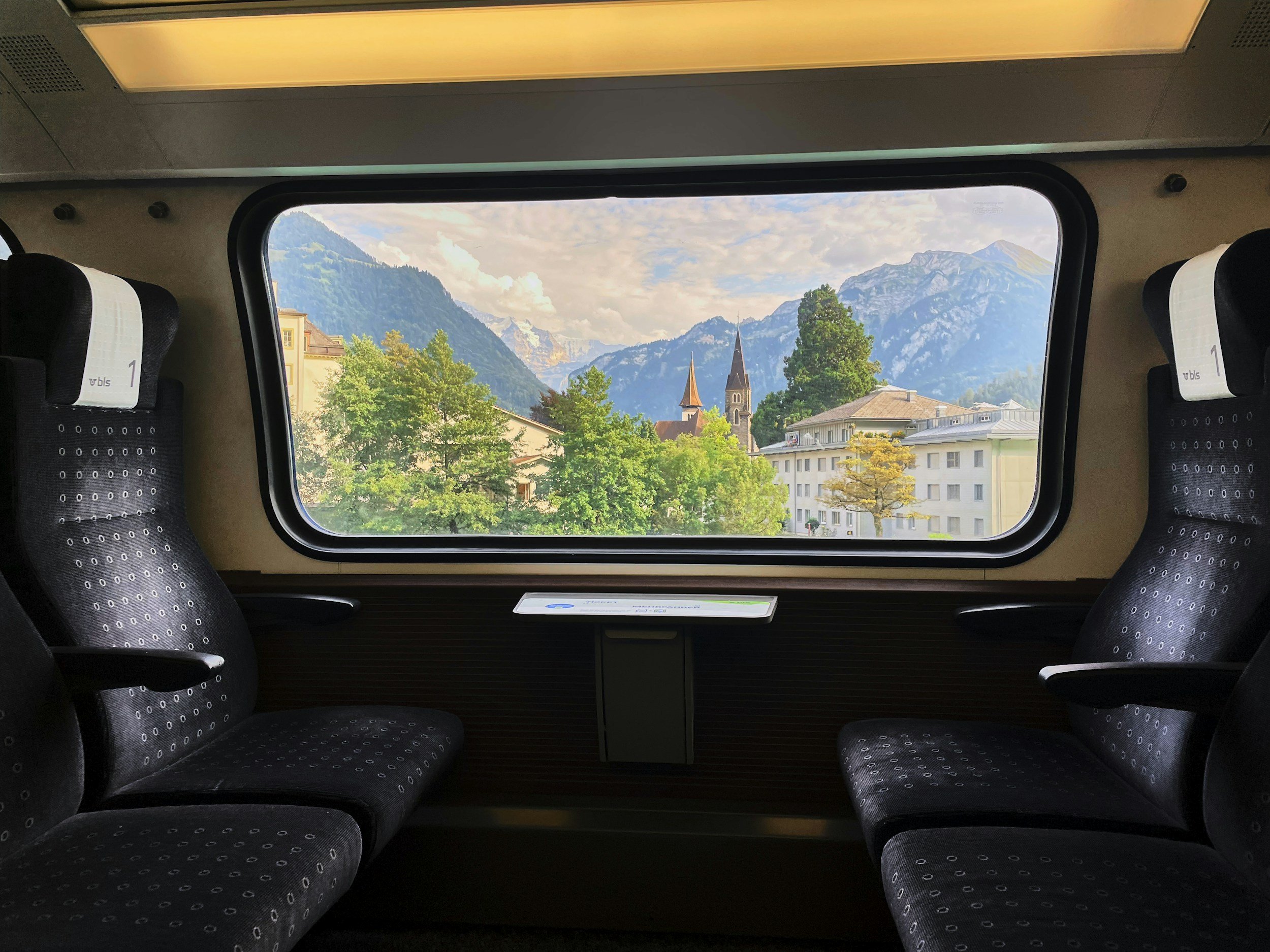
There’s beauty in the getaway. But there’s something just as valuable, and far more underrated, in the homecoming. It’s the moment the trip settles into memory, your bags settle onto the floor, and you settle into yourself again—ready for whatever comes next, including your next adventure.
If this reflection resonates, you might enjoy exploring the intentional side of travel even more. Start with how we use trips to reset daily life, or dive into the budget-friendly freedom that comes with traveling childfree. For planning your next stress-free escape, my guide to shoulder-season travel is a great place to begin.
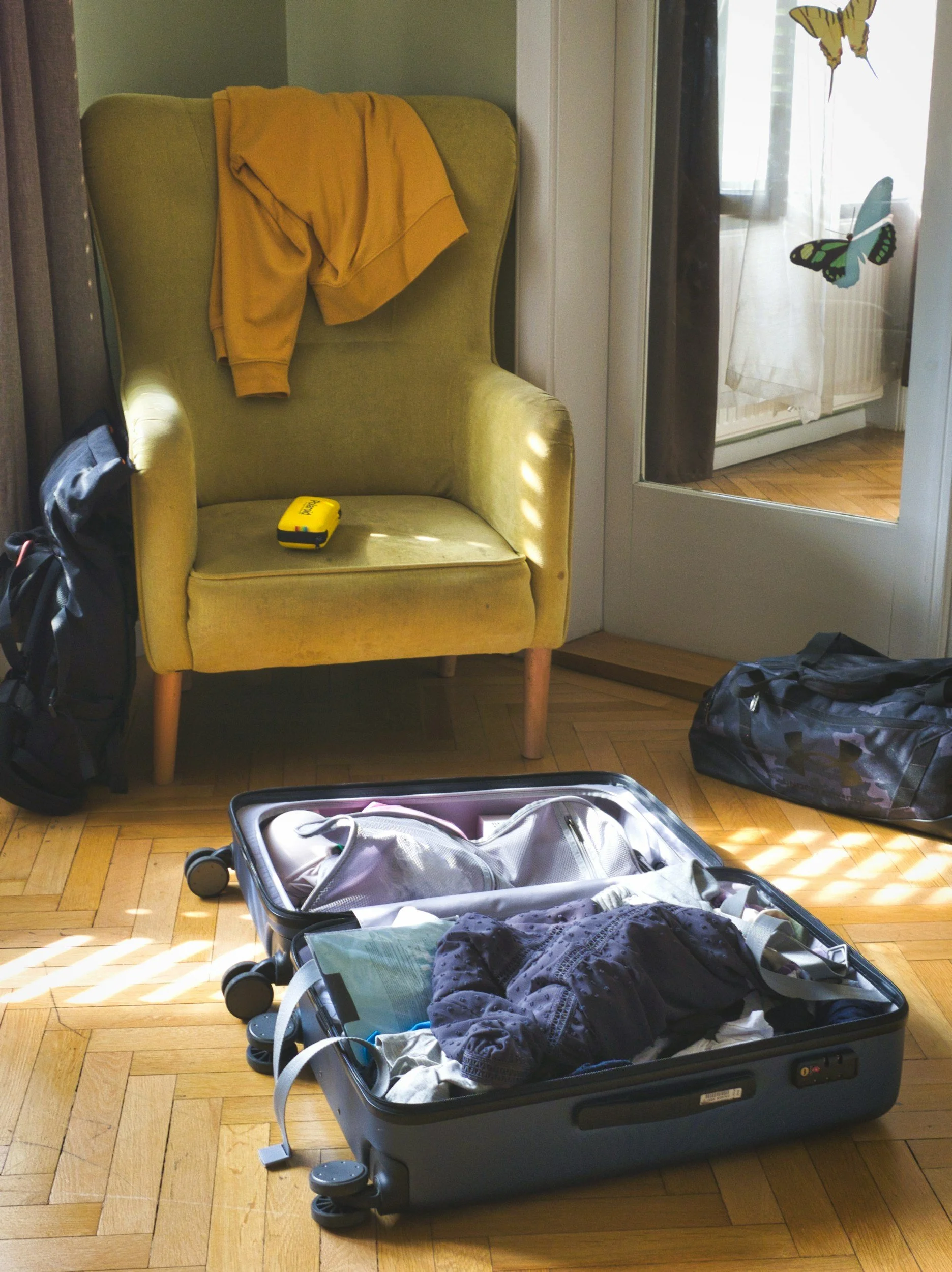
How to Pack for a Winter Trip to Europe (Carry-On Only, Low-Fuss & Actually Warm)
Packing for Europe in winter doesn’t have to mean overstuffed luggage. This low-fuss, carry-on-only guide shows exactly what I’m bringing for a 9-day trip through Amsterdam, Belgium, and Paris—warm layers, waterproof shoes, and a simple capsule wardrobe that keeps you comfortable without weighing you down.
Packing for Europe in winter is a balancing act. You want to stay warm and dry without lugging around a massive suitcase that slows you down on trains, cobblestone sidewalks, and metro stairs. After years of cold-weather travel across Europe, I’ve found a simple truth: winter packing is less about quantity and more about choosing the right layers.
This guide walks through exactly what I’m bringing on my upcoming 8-day trip through Amsterdam, Brussels, and Paris. It’s warm, streamlined, and flexible—and everything fits in a carry-on with room to spare.
What Weather to Expect in Europe in November
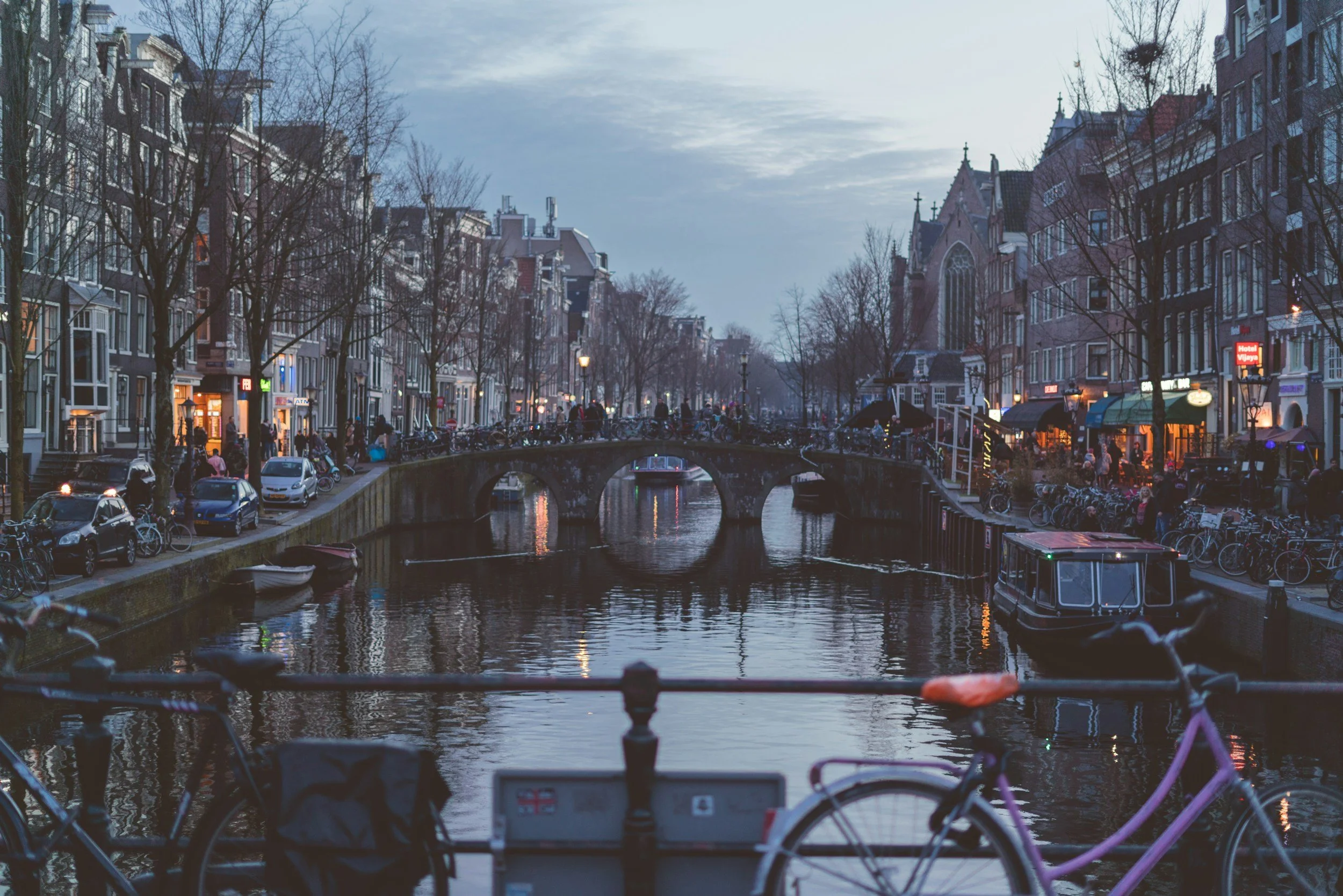
Late November in this region usually means:
Highs in the mid-40s°F and lows in the mid-30s°F
Frequent clouds
Occasional drizzle
Cold wind, especially along canals and rivers
This weather calls for warm base layers, a reliable coat, waterproof shoes, and lightweight pieces you can rewear. If you’re building a winter Europe packing list, think in terms of layers you can add or remove throughout the day.
The Winter Capsule Wardrobe Strategy
A carry-on-friendly winter capsule is all about a streamlined set of layers that stay warm without taking up unnecessary space in your suitcase. I pack pieces that create a variety of mix-and-match outfits. Travel days get their own athleisure outfit, which keeps everything else fresh.
Start With Solid Base Layers
A warm winter wardrobe starts with what lays closest to your skin. Choose lightweight long-sleeve tops that layer smoothly and dry quickly.
What I’m packing:
A lightweight long-sleeve tee
A pair of merino wool base layer tights
A merino wool tank top
These create a comfortable foundation for your mid-layers without adding bulk.
Choose Mid-Layers That Add Warmth Without Weight

Instead of thick sweaters, opt for thin but warm layers that work under a jacket or coat.
Great options include:
A merino or thermal crew or turtleneck
A flannel shirt
A structured cardigan or light sweater
These handle chilly mornings, breezy canal days, and nights out without taking up too much real estate in your suitcase.
Pack Two or Three Pairs of Pants That Work Everywhere
For eight winter days in Europe, two pairs cover everything, but you could easily add a pair of dressy trousers or a skirt if you like.
For my casual and minimalist style, I’m bringing:
Black skinny jeans
Dark wash straight leg jeans
Neutral, comfortable, and right for every setting from canal walks to Paris dinners.
Bring One Reliable Winter Coat

A single warm, weather-resistant coat (or a puffer plus a rain shell) is usually enough for a winter trip through this region. My go-to is a puffer with:
A high collar
Deep pockets
Room for mid-layers
A streamlined silhouette
I also bring a rain shell in case of extra-wet weather.
Stick to Two Pairs of Shoes
Shoes take up the most space, so limit yourself to two versatile, comfortable pairs.
My picks:
Waterproof ankle boots
Clean sneakers for dry days and train travel
This combo handles long walking days, wet sidewalks, and city-to-city travel without weighing down your bag.
Add Small Accessories That Make a Big Difference
Cold-weather accessories are crucial but don’t need to be bulky.
Pack:
A warm beanie
Thin gloves
A lightweight scarf
Wool socks
These small items keep you comfortable when the temperature dips.
Complete Winter Europe Packing List (Carry-On Only)
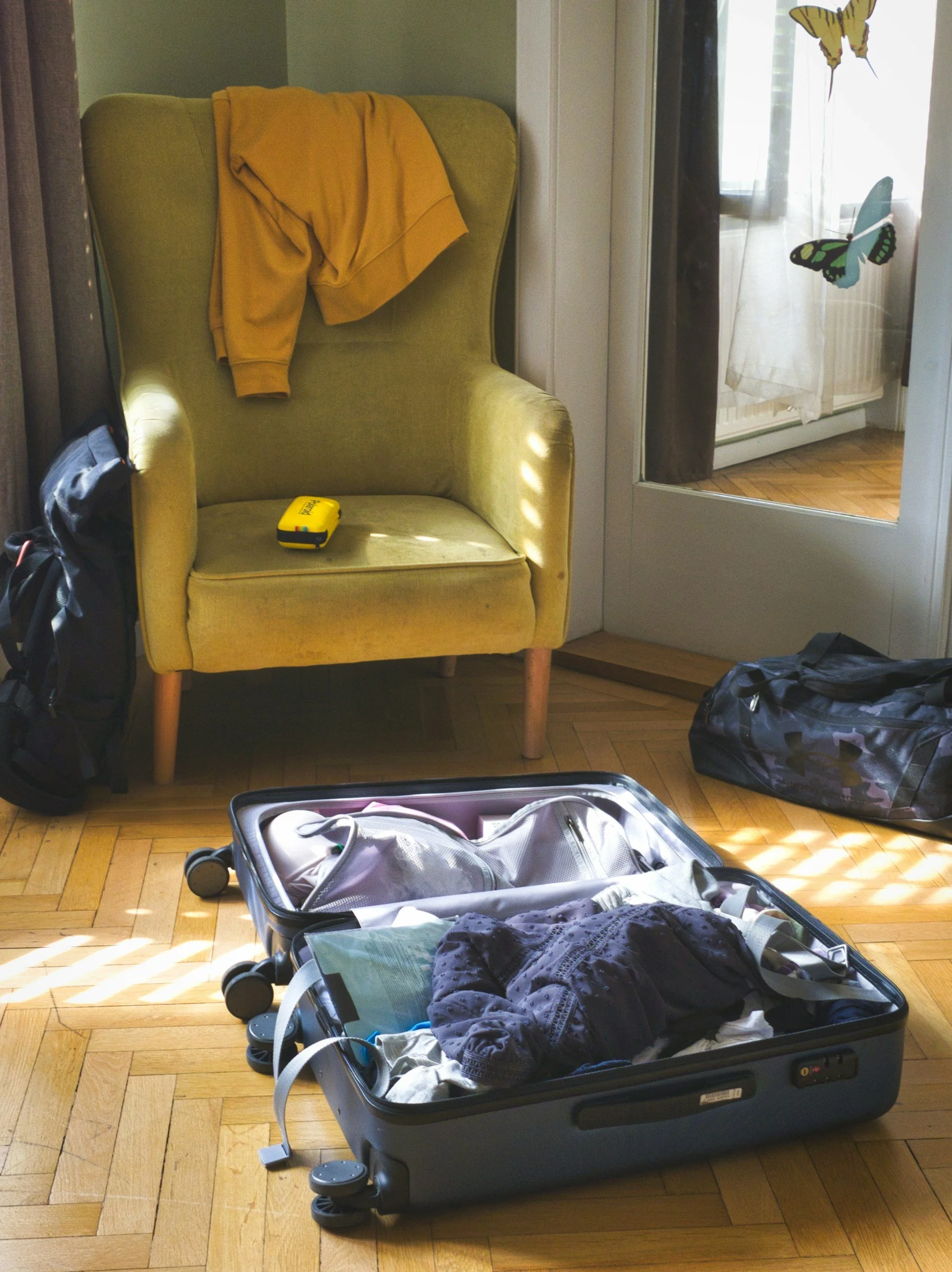
Clothing:
3 lightweight base-layer pieces
3-4 mid-layer tops
2-3 bottoms
1 warm weather-resistant coat (or puffer + rain shell)
2 pairs of shoes
1 travel-day athleisure outfit
Accessories & Essentials:
Scarf
Gloves
Beanie
Wool socks
How This Capsule Wardrobe Works in Real Life
With these pieces, you get several outfits that feel cohesive and intentional. Every item can be reworn in different combinations, and the layers keep you warm without adding bulk. Best of all, everything fits in a carry-on, so you can move easily through train stations and city streets without feeling weighed down.
Final Tips for Packing Light in Winter
Stick to a neutral color palette so everything matches
Choose fabrics that dry quickly
Wear your bulkiest items on the plane
Roll or fold depending on fabric type
Use packing cubes to keep layers organized
A streamlined winter capsule takes the stress out of cold-weather travel and keeps you warm, comfortable, and mobile for every city on your itinerary.
Ready to plan your own winter trip to Europe? Check out my Iceland and Copenhagen posts to build an itinerary that actually works in November weather.
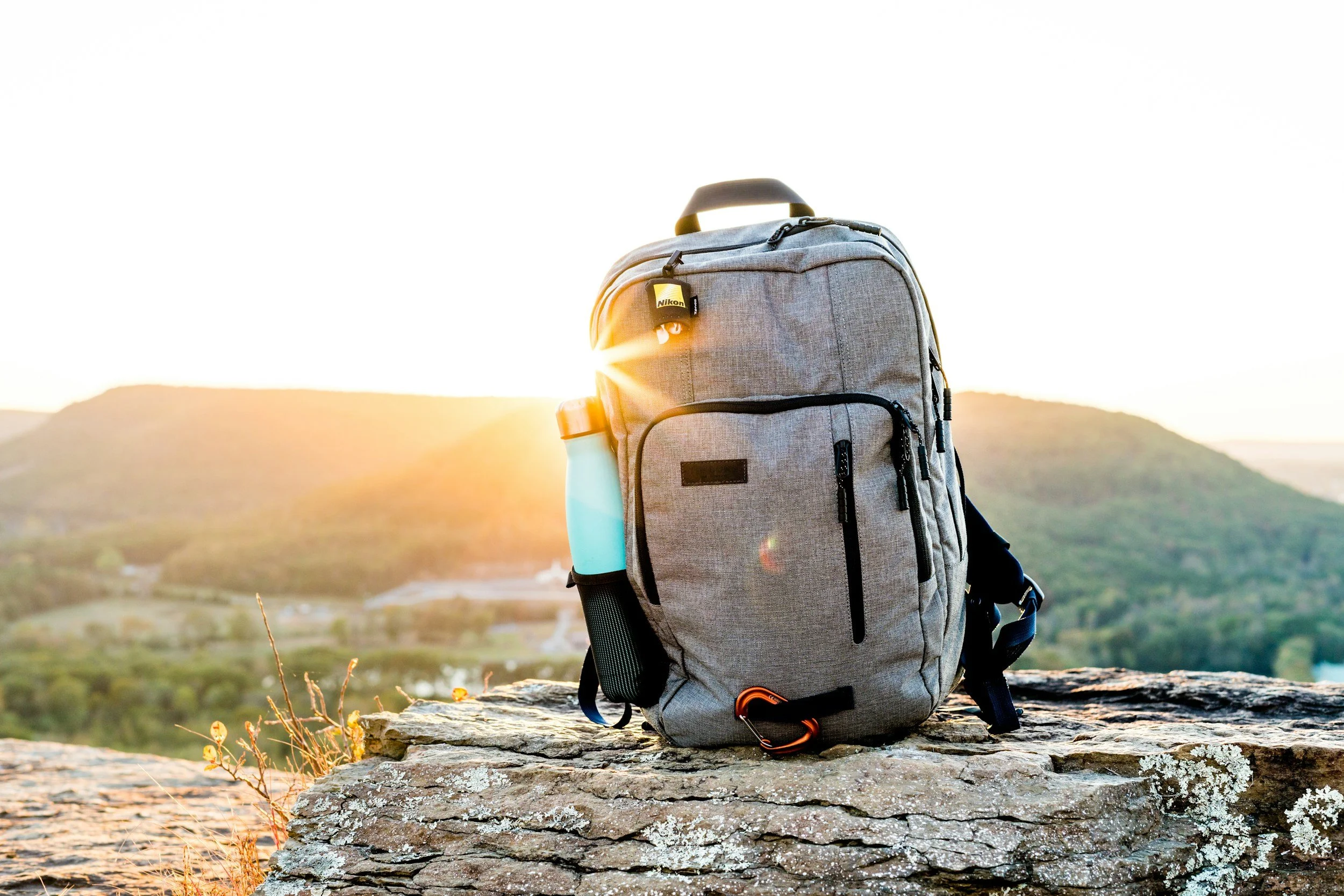
Why We Almost Always Travel Carry-On Only (and You Should Too)
We’ve learned that traveling carry-on only isn’t just about avoiding baggage fees—it’s about freedom, flexibility, and stress-free adventures. For childfree travelers like us, packing light means more time to explore, fewer logistics to juggle, and a mindset that lets us focus on the journey, not the luggage.

If you’ve ever watched the baggage carousel spin for what feels like forever after a long flight, you’ll understand why we started traveling carry-on only. At first, it was about saving time. But after years of traveling this way through airports big and small, on trains, ferries, and buses, it’s become about something more: freedom.
When you travel light, you move through the world differently.
The Freedom Factor of Carry-On Only Travel
There’s something deeply satisfying about being able to step off a plane and go. No waiting, no worrying about lost bags, no juggling heavy suitcases on cobblestone streets or metro stairs. We’ve walked from train stations to hotels in the rain, hopped on buses last minute, and rerouted trips entirely—all without giving a thought to where our luggage might be.
For childfree travelers, that freedom hits differently. We don’t need to plan around nap schedules or diaper bags, so why weigh ourselves down with excess stuff? Traveling light keeps things flexible, spontaneous, and stress-free—the way we like it.
Practical Tips for Traveling Carry-On Only

Flying carry-on only isn’t about suffering or minimalism for the sake of it. It’s about being intentional. Airlines have gotten stricter, but with the right setup, it’s easy to fit everything you need into a personal item and small roller bag or backpack.
Here’s what makes it work for us:
Versatile pieces: Every item of clothing mixes and matches. Neutrals, layers, and quick-dry fabrics are our go-tos.
Compact essentials: We skip “just in case” items and stick to travel-sized toiletries or solids.
Laundry breaks: Doing a quick load mid-trip (when possible) beats dragging around twice as much clothing.
You don’t need to look like you’re living out of a backpack either. We’ve packed for city stays, winter getaways, and international trips all within a carry-on—and still had room for souvenirs.
The Budget Bonus
Checked bag fees add up fast, especially on budget airlines or multi-leg trips. But even more valuable is what you save in time and energy. There’s no waiting in baggage claim lines, no stressing about delayed luggage, and no surprise overweight charges. That’s money (and patience) better spent on a great meal or a spontaneous day trip.
The Hidden Benefit: Mindset
When you travel light, you pack with intention, and that mindset spills over into the trip itself. You realize how little you actually need to enjoy yourself. Every piece you bring earns its place, and that simplicity makes the whole experience feel calmer and more focused.
When We Don’t Travel Carry-On Only

All of this said, we’re not zealots about it. If we’re bringing trekking poles, bulky winter gear, or something special home, we’ll check a bag. But it’s rare. Most of the time, we prefer to keep our hands free and our options open.
Because for us, travel isn’t about managing stuff, it’s about experiencing the world. And the less we bring, the more room we have for that.
What about you? Have you tried traveling carry-on only? Share your tips, struggles, or favorite packing hacks in the comments below!

Choosing Experiences Over Things: How Travel Reminds Us What Really Matters
We don’t remember the things we owned, but the places we went and how they made us feel. Here’s how travel continues to remind us what really matters — and why experiences are the best investment of all.

We live in a world that constantly tells us to buy more. The next phone, the next outfit, the next piece of décor that promises happiness. But when I think back on the moments that have actually stayed with me, they aren’t things I’ve bought. They’re experiences I’ve lived.
And travel, especially the kind that’s simple and real, reinforces that truth again and again.
The Fleeting Joy of “Stuff”

There’s nothing wrong with wanting nice things. But possessions have a short shelf life when it comes to fulfillment. The excitement of something new fades quickly and is soon replaced by the next desire on our list.
Experiences, on the other hand, grow in value over time. The budget-friendly guesthouse where you made friends over coffee, the local bakery you stumbled into on a rainy morning — those memories age beautifully. They become part of who you are, not just what you own.
How Travel Reinforces the Value of Experiences

When we travel (especially as adults without kids), every day holds the potential for discovery. Whether it’s figuring out a foreign train system, tasting a dish we can’t pronounce, or watching the sunrise in a place we’ve only ever seen in photos, these moments make us feel alive.
They’re fleeting but somehow permanent, etched in memory long after the souvenirs have gathered dust.
In his book Die with Zero, author Bill Perkins calls this the memory dividend. It’s the idea that every experience you invest in pays ongoing returns through the joy of remembering it — the stories you tell, the feelings you revisit, the perspective you gain. Each trip or moment you truly live keeps giving back long after it’s over.
Travel teaches us that:
A shared meal with new friends can be more memorable than a Michelin star dinner.
A disastrous hike through the rain can become one of your favorite travel stories.
Some of the best souvenirs are the ones you can’t pack: laughter, awe, and connection.
Why Experiences Deepen Our Relationships
When we choose experiences over things, we also choose connection. Travel naturally brings people closer through shared challenges and discoveries. We remember the time we huddled under one umbrella in a downpour, the bus ride that went completely sideways but led to an incredible (or hilarious) story, or the quiet comfort of just being somewhere new together.
Those moments build a deeper kind of wealth that no possession can match.
Bringing the Mindset Home

You don’t have to constantly travel to live this way (who could afford that?!). Travel simply teaches us how to notice, and to appreciate the ordinary as if we were seeing it for the first time. It’s the same mindset that makes an impromptu picnic, a new recipe, or a walk at sunset feel just as meaningful as a faraway adventure.
Because when you value experiences over things, you start to realize: the richness of life isn’t in what you own, it’s in what you live every day.
Final Thoughts
Travel reminds us that happiness isn’t found in what we own, but in what we experience.
And the best part? You don’t need a luxury budget to live that way. Just curiosity, openness, and a willingness to trade more stuff for more living.
Ready to start collecting your own memory dividends? Plan a trip that focuses on moments, not things — even if it’s just a weekend getaway close to home.

Travel as a Reset Button: How We Use Trips to Re-Energize Daily Life
Travel isn’t just about getting away — it’s about pressing pause. Here’s how we use childfree, budget-friendly trips to recharge and come home re-inspired.

Sometimes we don’t travel to “escape” — we travel to reset.
Travel isn’t just about getting away — it’s one of the best ways to reset your mind, recharge your energy, and re-energize daily life.
Between the routines, the work deadlines, and the endless stream of daily noise, life can start to feel like a blur. Travel gives us the jolt we need to remember that there’s more out there — and more in us, too. For my husband and me, every trip is a chance to shake off autopilot, recharge our energy, and come home more grounded and with a fresh perspective.
Why We Travel Without Guilt
Traveling childfree gives us a different kind of freedom — not better, just different. We don’t have school calendars to work around or family-friendly resorts on our list. We can take off-season trips, chase shoulder-season deals, and plan entire days around food, hiking, or wandering aimlessly through a city.
But beyond the logistics, childfree travel gives us space — mental, emotional, and physical space to just be. We can be spontaneous. We can be quiet. We can do nothing and not feel like we’re wasting time. That kind of breathing room is rare, and travel reminds us how good it feels.
The “Reset” Doesn’t Have to Be Big
A reset doesn’t always mean a two-week escape to another continent. Sometimes it’s a long weekend somewhere new, or even a day trip that changes your surroundings enough to shift your perspective.
Some of our best resets have come from simple, budget-friendly getaways:
A week-long trip to Hawaii where we adopted the slower island lifestyle.
A spontaneous weekend getaway in Seattle that reminded us how much we love walking everywhere.
A scenic drive to the mountains just to get out and appreciate the gorgeous fall foliage.
The key isn’t how far you go — it’s breaking the routine long enough to see things a bit differently.

How We Use Travel to Re-Energize Daily Life
When we get home, we try to hold onto the energy from our reset for as long as we can (sadly, it doesn’t last forever). Here’s how we do it:
Bring back one habit. Maybe it’s the slow mornings we enjoyed on vacation, or the evening walks after dinner. We pick one thing that felt good to us and try to make it part of our normal routine.
Re-evaluate our priorities. Travel makes it clear what we do and don’t miss about everyday life. We notice what feels heavy when we return, which helps us adjust our list of what’s important and what isn’t.
Plan the next trip. Even if it’s just penciling in a day trip, having something on the horizon helps us stay motivated and gives us something to look forward to. Anticipation is its own form of energy.
Reconnect with each other. Traveling without distractions always brings us closer. We talk more, laugh more, and remember why we make such good travel partners, which carries over long after the trip is over.
The Power of the Pause
Travel isn’t a cure-all, but it is a pause button — a moment to stop, reset, and come back better. It’s about remembering that life doesn’t have to be lived on autopilot.
For us, that’s what keeps travel meaningful. It’s not about checking off countries or chasing Instagram moments. It’s about using travel as a reset button — so that when we return home, life feels a little lighter, fresher, and more intentional.
Because sometimes, the best version of yourself is the one who just got back from a trip.
How do you use travel as a reset? Drop your thoughts in the comments — I love hearing how other childfree travelers use travel to recharge.
If this post resonated with you, be sure to check out:


Travel Light, Spend Less: 10 Budget Perks of Traveling Childfree
Traveling childfree isn’t just about freedom—it’s about stretching your budget further. From cozy studio stays and off-season flight deals to eating street food and packing light, there are countless ways travel without kids saves you money. Here are ten budget perks of childfree travel that let you spend less where it doesn’t matter and more where it truly does.

Traveling without kids doesn’t just give you freedom—it gives you financial flexibility. When you’re not paying for extra tickets, bigger hotel rooms, or kid-friendly add-ons, your travel dollars can go a whole lot further. Traveling childfree means you can focus your budget on the things you actually want, while skipping the inevitable costs of family travel.
Here are ten reasons why childfree travelers often find their trips are not only smoother, but also significantly cheaper.
1. Smaller, Cheaper Accommodation Options

Without the need for extra beds, cribs, or kid-focused amenities, you can stay in compact studios, boutique hotels, or budget-friendly apartments. In Copenhagen, for example, we booked a small but stylish city-center hotel that would have felt cramped with kids—but for two adults, it was perfect and affordable. Even quirky options like capsule hotels in Japan or private hostel rooms in Europe suddenly make sense (and save you serious money).
2. Flexible Travel Dates = Lower Prices
Parents are tied to school calendars, meaning peak-season prices. Traveling childfree means you can travel in the shoulder season, chase last-minute deals, and fly mid-week—often saving hundreds on flights and hotels. When we visited Iceland in September, we got lower airfare and cheaper car rentals than we would have in July, plus we had waterfalls and hot springs practically to ourselves.
3. No “Kid Taxes” on Tickets & Meals
Extra tickets to attractions, family meal add-ons, and overpriced “kid-friendly” experiences all add up. With just two adults (or one if you’re traveling solo), you’re only paying for what you’ll actually use. In Hawaii, we split poke bowls from a local market that easily fed both of us for under $15—a simple but satisfying budget win.
4. Lighter Packing = Lower Airline Costs

Families often pay for checked bags full of strollers, toys, and extras. Childfree travelers can often pack light, go carry-on only, and avoid baggage fees—making budget airlines much more manageable. On our New Zealand trip, we each traveled with just a carry-on and a backpack, which not only saved us money but made moving between islands so much easier. When you’re traveling childfree, packing light isn’t just possible—it’s liberating.
5. More Dining Flexibility
No picky eaters, no early meal schedules (unless you want them!). You can eat where and when you want—taking advantage of happy hours, late-night food stalls, or wine bars. In Copenhagen, we lingered over smørrebrød at Torvehallerne Market one afternoon and then grabbed cheap and delicious sweets while wandering the city. In Iceland, bakery stops became our go-to budget meals—rugbraud (rye bread) and pastries that cost a fraction of a sit-down dinner.
6. Easier (and Cheaper) Transportation
No need for car seats or oversized vehicles. You can rely on public transportation, scooters, overnight buses, or budget-friendly trains. When we took the train from Copenhagen to Malmö, it was quick, cheap, and stress-free—something that would’ve been trickier with strollers and nap schedules. In Iceland, we rented the smallest car possible—a beat-up VW Golf—which cost far less than a family SUV and still took us around the entire Ring Road.
7. Freedom to Choose Budget-Friendly Destinations
Families often gravitate toward resorts or amusement-park-heavy spots. Traveling childfree means you can head to countries with favorable exchange rates or less-touristy regions that deliver big value—like Portugal instead of France, or Colombia instead of Costa Rica. On the Big Island of Hawaii, we skipped pricey resorts and spent part of our stay in Hilo, where accommodations were cheaper and farmers’ market fruit bowls became our daily breakfast. Without kids, your destination list widens and your budget stretches.
8. Ability to Splurge Where It Counts

Instead of spending money on kid-friendly activities, you can redirect your budget toward meaningful splurges: a tasting menu dinner, a boutique hotel night, or an adventure tour. In New Zealand, we saved money by self-catering most meals but splurged on a Doubtful Sound cruise—a memory worth every penny. In Iceland, we cut corners on our accommodation but didn’t think twice about paying for the Hvammsvik Hot Springs, which turned out to be a highlight of the trip.
9. Lower Travel Insurance & Add-On Costs
The price of travel insurance, gear rentals, and guided tours multiplies quickly with a family. For one or two adults, those extras stay manageable. On our Iceland stopover, we only had to cover two people for ice climbing gear. That meant we could say “yes” to more adventurous activities without blowing our budget. Insurance, tour tickets, and even things like renting snorkeling gear in Hawaii are simply easier to justify when the numbers are small.
10. More Energy to Maximize Value
Traveling with kids often means shorter days and early nights. Childfree travelers can stretch their money by getting the most out of long days sightseeing, evening entertainment, or free walking tours. In Alaska, we explored all day and then stayed out chasing the midnight sun for photo ops. No way we could’ve packed in that much with kids.
Final Thoughts

Childfree travel is about freedom and flexibility. By traveling light, booking smarter, and skipping family-specific costs, you naturally stretch your budget further. In our own travels, we’ve found that being childfree doesn’t just save money—it gives us the option to reallocate those savings into experiences that matter most. Whether that’s a boutique hotel splurge in Copenhagen, an overnight cruise in New Zealand, or a geothermal soak in Iceland, the trade-off is worth it every time.
So if you’ve been holding back from planning that dream trip because of costs, remember: traveling childfree already gives you a head start. Spend less where it doesn’t matter, and more where it truly does.
What about you? What’s your favorite budget perk of traveling childfree? Share your tips in the comments below—or sign up for my newsletter down below for more low-fuss, budget-friendly travel ideas!

Shoulder Season Travel: The Best Time to Explore Without the Crowds
Shoulder season travel is the sweet spot between peak crowds and off-season closures—when prices drop, the weather is comfortable, and destinations feel more authentic. For childfree travelers, it’s the ultimate hack: fewer strollers, shorter lines, and more freedom to explore at your own pace. From sipping wine in Tuscany without bus tours to wandering quiet streets in Bruges, shoulder season makes travel calmer, cheaper, and more rewarding. Of course, it comes with a few trade-offs—like unpredictable weather or reduced hours—but the benefits far outweigh the downsides. This guide breaks down the pros and cons of shoulder season travel and explains why it’s one of the biggest advantages of traveling childfree. Once you try it, you may never want to go back to peak-season trips.
When most people plan their vacations, they’re thinking peak summer or holiday travel. But seasoned travelers know there’s a secret sweet spot: the shoulder season.
If you’ve never heard the term, it refers to the time just before or after a destination’s high season—think May and September in Europe, or early spring and late fall in many U.S. destinations.
For childfree travelers, shoulder season is a game-changer: cheaper, calmer, and more enjoyable. Here’s why.

What Is Shoulder Season?
Shoulder season is the in-between period when the weather is still good, attractions are open, but the big crowds haven’t arrived (or have already gone home).
It falls between a destination’s peak season (when demand, crowds, and prices are highest) and the off-season (when many attractions may be closed and weather is less predictable).
If you want examples of how to plan trips in cooler months, check out my 4 Days in Copenhagen in Winter Itinerary or my 3-Day Iceland Stopover Guide. Both are shoulder-season friendly trips.
Pros of Shoulder Season Travel

1. Lower Prices
One of the biggest perks of shoulder season travel is the savings. Airlines, hotels, and even tour operators drop their prices once the summer rush or holiday crush is over. That means you can snag round-trip flights for less, book a boutique hotel that would’ve been out of reach in July, or stretch your budget by staying longer. For childfree travelers, this often means being able to allocate extra money toward experiences—like a cooking class in Italy or a glacier hike in Iceland—rather than just covering the basics.
2. Fewer Crowds
If you’ve ever tried to enjoy a world-famous site at peak season, you know how quickly the magic can vanish when you’re shoulder-to-shoulder with tourists. In shoulder season, you get to actually see and experience a place without the constant jostling. Imagine wandering through the streets of Dubrovnik, sitting in a quiet Parisian café, or strolling a trail in New Zealand without the bottleneck of high-season crowds. For those of us who travel childfree, the atmosphere feels calmer and more adult-friendly—fewer strollers, less chaos, and more space to just breathe it all in.
3. Milder Weather
Shoulder season often delivers the kind of weather that makes exploring enjoyable. No sweltering 100-degree heat while you’re trying to climb castle stairs in Lisbon, and no bone-chilling cold that keeps you indoors. Instead, think warm days for sightseeing and cooler evenings perfect for cozy dinners or long walks. This balance means you can do more—whether it’s hiking, wine tasting, or sightseeing—without feeling drained.
4. Better Interactions with Locals
When destinations are overflowing with tourists, locals are often stretched thin and just trying to keep up. In shoulder season, there’s room for slower, more authentic exchanges. You’re more likely to get a genuine chat with a barista, personal recommendations from a tour guide, or even a friendly smile from market vendors who aren’t overwhelmed by the peak-season rush. This makes the experience feel less transactional and more cultural—something many childfree travelers value.
5. Flexibility for Childfree Travelers
Perhaps the biggest advantage: you can travel when others can’t. Families are bound by school calendars, but being childfree gives you the flexibility to plan around the best times rather than the busiest ones. That freedom means you can grab last-minute deals, adjust your plans if the weather shifts, and enjoy destinations in a way that feels far more relaxed. Shoulder season rewards travelers who don’t have rigid schedules—and that’s exactly the sweet spot for childfree explorers.
Cons of Shoulder Season Travel

1. Unpredictable Weather
Shoulder season is a transitional period, which means the weather can be hit-or-miss. You could have a week of warm, sunny days—or you might get stuck with rain, fog, or chilly weather. A beach destination might not be quite warm enough for swimming, and mountain trails could still have snow. Flexibility and layered packing become essential, but if you’re the type who craves guaranteed perfect weather, this can be a drawback.
2. Shorter Hours & Limited Services
Many destinations adjust their schedules as peak season ends. Ferries might run less frequently, museums may close earlier, and certain seasonal restaurants or cafés could shut down entirely until the next high season. While this usually won’t stop you from enjoying a trip, it does require a bit more planning. Double-check opening times and consider booking in advance so you’re not caught off guard.
3. Fewer Festivals or Seasonal Events
Some of the most iconic festivals and seasonal highlights happen in peak season—think Oktoberfest in Germany, tulip fields in the Netherlands, or holiday markets in December. Traveling in shoulder season may mean missing those bucket-list events. On the flip side, you might stumble upon smaller, more local festivals that aren’t overrun by international tourists, but if your trip is centered around a big cultural happening, shoulder season may not align with your goals.
4. Destination-Specific Tradeoffs
Shoulder season isn’t equally great everywhere. For instance, visiting the Greek islands in October might mean fewer crowds, but also limited ferry service and shuttered beach clubs. A ski town in April could still have some snow, but slopes may be slushy and nightlife quieter. The trade-off is worth it for many travelers, but it’s important to set realistic expectations and research carefully so you don’t end up disappointed.
Why Shoulder Season is Perfect for Childfree Travelers
Being childfree gives you a huge advantage: flexibility. You’re not tied to school holidays, which means you can plan travel in those off-peak windows when destinations are calmer, cheaper, and more authentic.
You can also enjoy adult-friendly activities—like lingering in a wine bar, enjoying a long scenic hike, or having a late dinner—without the stress of family travel crowds.
For example, my 10-Day South Island New Zealand Road Trip and Day Trip to Malmö from Copenhagen both highlight how shoulder season makes travel less stressful and more rewarding.

Final Thoughts
Shoulder season travel isn’t about compromise—it’s about choosing a smarter, more balanced way to see the world. You still get the beauty of a destination, the culture, and the experiences, but without the stress that comes with peak-season travel. It’s the sweet spot between affordability, comfort, and authenticity.
For childfree travelers, this flexibility is one of your biggest travel superpowers. While others are limited by school breaks, family obligations, or holiday rushes, you can slip into destinations during their most enjoyable window. That means sipping wine in Tuscany without tour bus crowds, strolling through quiet streets in Bruges without jostling for photos, or catching the golden autumn light in Iceland without paying summer prices.
Yes, there are trade-offs—weather can be unpredictable, and some services might be limited—but for many travelers, those are small inconveniences compared to the rewards. In fact, they often make trips more memorable: a misty hike, a cozy café escape during a rain shower, or an unexpected chat with a local because the streets aren’t crowded.
Ultimately, shoulder season is about travel on your terms. It’s slower, calmer, and often more rewarding. And once you’ve had that first taste of wandering a “touristy” city without the tourists, you’ll realize: this isn’t just a budget hack. It’s a lifestyle advantage—and one of the best perks of traveling childfree.
What about you? Have you traveled in shoulder season before, or do you prefer peak or off-season trips? Share your thoughts and experiences in the comments—I’d love to hear your take!